
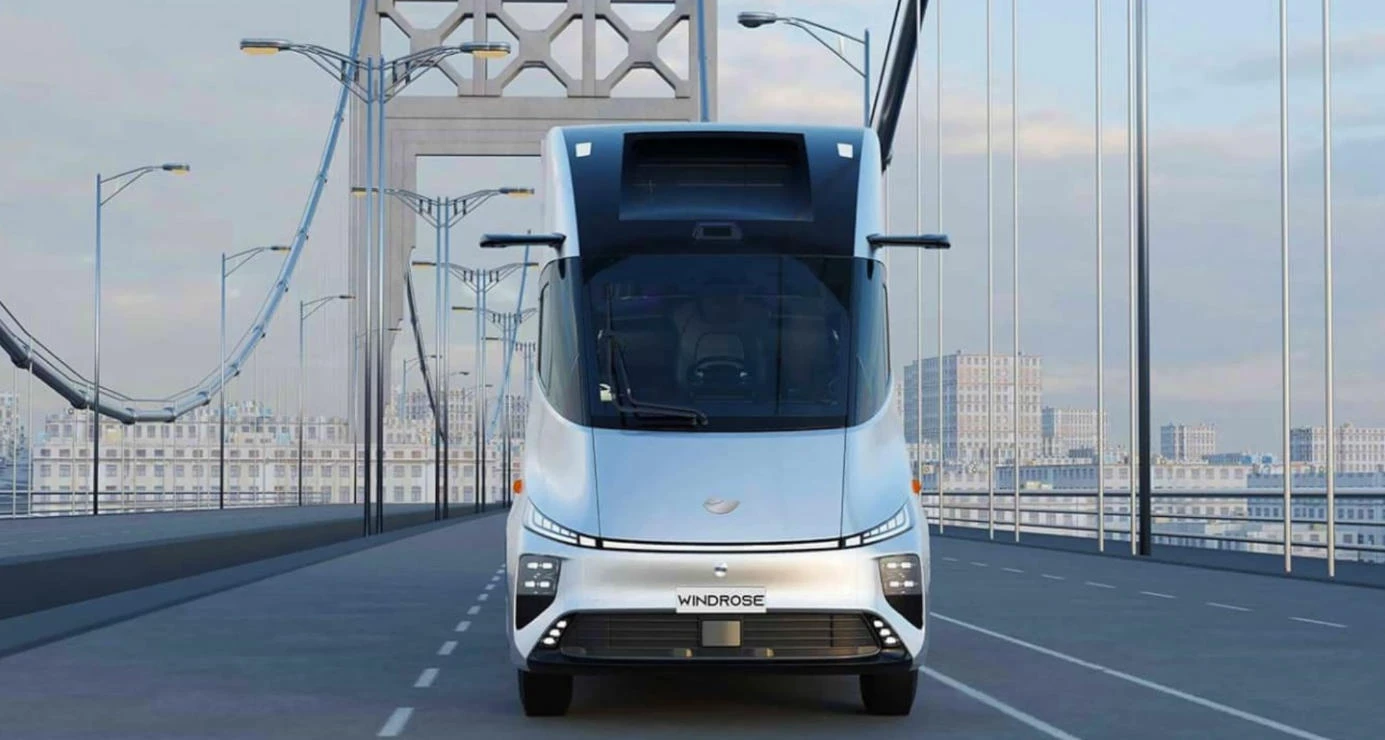
Electric traction has overtaken diesel: what happened in heavy truck markets and why it matters for agriculture
By the end of 2025, China delivered a shift that would have sounded unlikely not long ago: electric traction (electric and partially electrified heavy trucks) surpassed diesel in a monthly snapshot of new heavy-duty registrations. This is not about passenger cars - it is about heavy-duty trucks, the machines that work under the hardest loads, move large volumes, and have traditionally relied on diesel for range and refueling speed.
Across 2025, China registered 231,100 NEV trucks (NEV - New Energy Vehicle - a category that includes battery-electric trucks, plug-in hybrids, and extended-range vehicles). That total represents a 182% increase compared to 2024.
“Overtook diesel” - what that actually means
The clearest signal came in December 2025. In that single month, China registered roughly 45,300 new heavy-duty NEV trucks, which accounted for 54% of the monthly market for new heavy-duty trucks. Crossing the 50% line is what makes the statement “electric traction overtook diesel” meaningful: in that month, electrified heavy trucks outnumbered diesel trucks in new registrations/sales. The same data point is paired with growth momentum: +198% year-over-year and +62% month-over-month versus November.
For the heavy truck segment, this is a major inflection point. A technology once viewed as “urban-only” is now winning share in a category long dominated by diesel due to torque, range, and fast refueling.
Why electric traction “took off” right now
1) Policy timing and a demand pull-forward effect.
Two factors are highlighted as demand drivers: the phase-down of a national trade-in subsidy program for commercial vehicles and expectations of additional tax costs for NEV purchases in 2026. In large markets, this often triggers a familiar behavior: fleets accelerate purchases “before the rules change” to lock in better conditions.
2) Total cost of ownership (TCO) began to beat diesel inertia.
The core argument is economic: electrified trucks can deliver lower TCO. An estimate cited is that over 10 years of operation, an NEV heavy truck could save up to 1.2 million yuan versus a diesel counterpart. For transport businesses, this frequently matters more than brochure specs: if energy, service, and downtime costs drop, fleet renewal accelerates.
3) Infrastructure solved the biggest fear: downtime.
The growth is also linked to expanding high-speed charging infrastructure and battery-swap station networks for heavy trucks. The logic is straightforward: even an efficient truck loses commercially if it spends too much time waiting to recharge. Once “energy replenishment time” becomes predictable, electric traction moves from pilot projects to mass deployment.
What this means for agriculture: from logistics to service realities
Agriculture depends on two critical “nerves”: field machinery and logistics (grain, fertilizers, seeds, feed). While heavy-duty electric trucking is not yet mainstream in Ukraine, China’s 2025 dynamics point to where global markets are heading.
1) Grain and bulk logistics.
Gradual electrification of regional and corridor routes can reduce fuel and maintenance costs, especially where routes are repetitive (elevator - port - processing). Even partial electrification (hybrids, extended-range concepts) already reduces anxiety around range and infrastructure availability.
2) Energy cost becomes more controllable.
Diesel ties operating costs directly to fuel market volatility. Electricity opens more levers: on-site generation, different tariff models, and consumption optimization by time-of-use. For agricultural businesses with their own energy assets, this can become strategically interesting.
3) Parts and maintenance do not disappear - the bill of materials changes.
Electric traction reduces some internal combustion components, but increases the importance of chassis and running gear, brakes, suspension, reducers, drivetrain elements, and overall mechanical durability. In agriculture, wear from dust, dirt, impact loads, and seasonal peaks remains a constant.
Even as transport technologies evolve, farms and contractors still face a very practical challenge: minimizing downtime during the season.
BAS-Agro LLC (Cherkasy) supplies spare parts for agricultural machinery of various brands - when you need to close a repair need quickly or plan seasonal maintenance. The up-to-date catalog and parts selection are available at https://bas.ua/.
This is the reality of the market: technologies change, but the requirement stays stable - fast serviceability and predictable repairs.
“Electric traction has overtaken diesel” is no longer just a slogan - it has become a measurable market signal, at least in specific markets and time windows. In December 2025, electrified heavy-duty trucks captured 54% of China’s monthly new heavy truck registrations, and across 2025 the segment reached 231,100 units, up 182% year-over-year.
For agriculture, the takeaway is not “everyone switches tomorrow,” but that TCO + infrastructure + policy can shift the industry’s direction quickly. And alongside new technology, the value of reliable service and accessible spare parts grows - the things that keep machines working when the season is at its hottest.
Add a comment
Comments
There are no comments yet. Be the first to comment.
You must be logged in to post a comment
Login